
Last week, I sat on the sofa with my brother and we opened a new mobile title that promised “instant thrills.” We spent an hour swapping high‑score points, and by the time the coffee had gone cold, we were both laughing at the absurdly colourful graphics. That simple moment is a snapshot of how mobile games are weaving themselves into everyday British life.
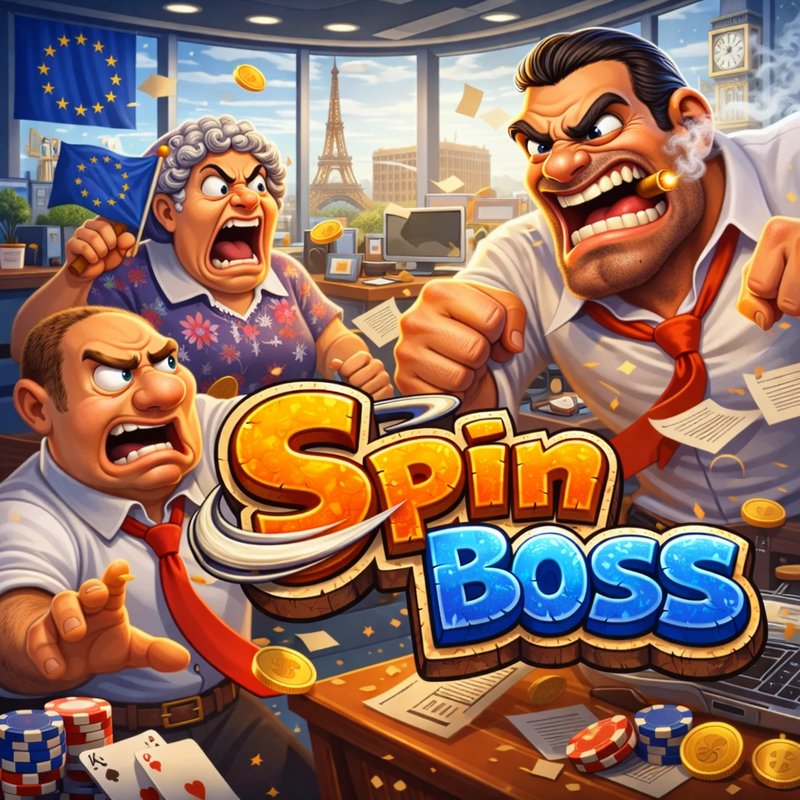
From Pocket to Playroom: The Numbers That Matter
In 2023, the UK mobile gaming market hit £3.2 billion in revenue. That figure is comparable to the entire cinema sector, which earned £1.8 billion that same year. The average UK player spends about £35 a month on in‑app purchases, and 62 % of those spend more than £20. These numbers show that mobile games are no longer a niche pastime; they’re a major entertainment stream.
How the Platform Is Changing Content Consumption
Traditionally, a night out meant a cinema ticket or a theatre show. Now, a single download can replace that entire outing. For example, a 30‑minute session of a puzzle game can deliver the same dopamine hit as a half‑hour walk in Hyde Park. Because the games are on your phone, you can play in the train, at the office break room, or while waiting for a friend’s flight. This flexibility means entertainment is no longer bound to a venue.
The Social Layer: Games as Community Builders
Many mobile titles include co‑op or competitive modes that create instant social networks. One popular strategy game hosts 12‑player guilds that meet daily to tackle challenges. Players often form friendships that spill over into other social platforms like Discord or even in‑person meet‑ups. This social aspect is turning solitary gaming into a shared experience, similar to how a pub quiz night used to bring strangers together.
If you’re looking for a way to keep your wheels rolling while you play, check out https://parnwelltyres.co.uk/.
Economic Ripples Beyond the App Store
The revenue generated by mobile games supports a ripple of ancillary jobs. In 2022, the UK saw a 15 % rise in employment for game developers, designers, and content writers. Additionally, the rise of “micro‑transactions” has spurred a market for digital goods designers, who create skins, avatars, and custom soundtracks. Small studios in cities like Leeds and Glasgow now report annual profits that rival those of mid‑size indie publishers.
Linking Mobile Play to the Broader Entertainment Ecosystem
When a mobile game launches a new season, it often spawns a companion website, streaming series, and even a line of merchandise. Players who discover a character in a game may end up watching a related short film on a streaming platform or attending a live event. This cross‑media storytelling creates a feedback loop that keeps audiences engaged across multiple touchpoints, much like how a popular TV show drives viewers to related podcasts and fan art communities.
Challenges and the Road Ahead
Not every aspect of mobile gaming is rosy. The most significant limitation is the “freemium” model that can lead to hidden costs. A game that appears free may push players to spend an average of £15 per month on optional items. This can strain budgets, especially for younger audiences. Another issue is data privacy; several high‑profile breaches in the past five years have raised concerns about how player information is stored and used.
Despite these hurdles, the trend is unmistakable: mobile gaming is redefining how the UK consumes entertainment. From the way we spend leisure time to how we build communities and even how we support local economies, the impact is deep and measurable.
Looking Forward
Future developments hint at even greater integration. Augmented reality (AR) games that overlay digital content onto real‑world environments are already being tested in London’s parks. As hardware improves, the line between “playing on a phone” and “experiencing a full‑scale game” will blur further. For now, the key takeaway is simple: the mobile game you download next week could very well shape the next cultural conversation in your city.