
Most operators treat a coin flip feature like a gimmick, but the ones worth your time treat it like a disciplined side bet with clear edges. I’ve spent years watching prediction markets and exchange APIs run on strict risk rules, and the same logic applies here: know the payout curve, respect the house margin, and never chase a streak just because the arvo feels slow. If you’re weighing a casino coin flip bonus round, the real question isn’t whether it looks flashy in a lobby screenshot. It’s whether the mechanics, the wagering terms, and the live dealer context actually line up with how you play. A quick spin on a sweet bonanza 2000 demo can show you the visual rhythm, but the bonus round itself needs to earn its place before you deposit a single dollar.
What the casino coin flip bonus round actually does
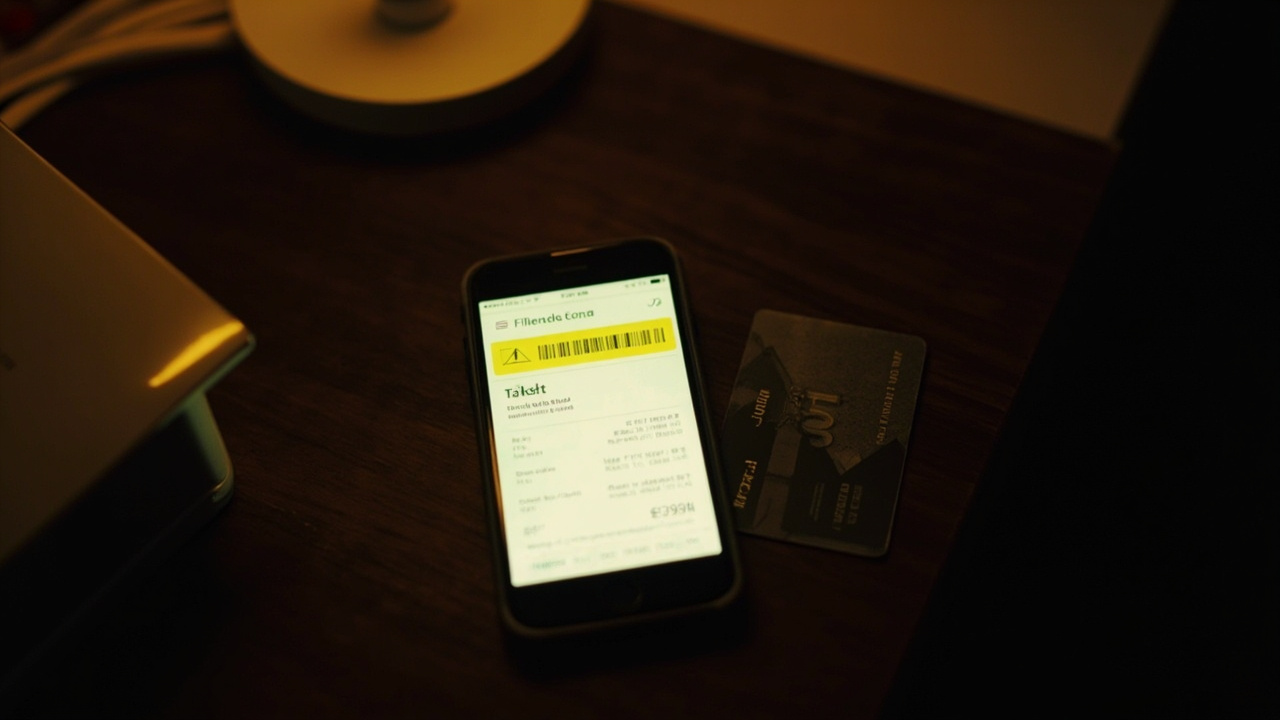
A casino coin flip bonus round usually sits inside a broader live or instant-play lobby, triggered either by a scatter sequence or a separate bonus buy where the operator allows it. The core loop is simple: you commit a stake, the interface flips a virtual coin, and the payout scales with predefined multipliers or a short ladder of outcomes. The detail that separates a usable feature from a noisy one is how the operator publishes the return-to-player window and whether the flip is tied to a single round or a multi-step sequence. I’ve reviewed automated sports workflows that fail when the odds feed drifts from the displayed price, and the same discipline matters here. If the lobby doesn’t show the effective house edge or the cap on bonus winnings, you’re guessing, not playing. Look for a clear breakdown of how many flips you get, whether each flip resets the stake, and what happens when a multiplier tier is skipped. A transparent operator will also separate the bonus round balance from your main account balance so you can track exposure without doing mental arithmetic across two ledgers.
How the lobby and game mix shape the feature
The casino coin flip bonus round only makes sense if the surrounding lobby gives you a sensible path to it. A well-organised lobby groups live tables, instant slots, and bonus features by provider and volatility, with search that actually filters by mechanic rather than just by name. You want to land on a page where the flip feature is listed alongside comparable table-side wagers and where the provider tag tells you whether you’re looking at a polished live studio or a software-only instant round. I’ve seen iGaming exits fall apart when the catalog is a pile of rebranded skins with no consistent metadata, because players can’t tell what they’re actually signing up for. A strong lobby will let you sort by stake range, show the provider for each entry, and keep the flip feature from hiding behind a generic “more games” button. If you’re in Sydney and you’re used to jumping between a live blackjack table and a quick instant session on the train, the lobby should let you switch contexts without losing your bonus tracker or resetting your session limits. sweet bonanza 2000 demo
Wagering, payments, and the fine print you should check
Before you treat a casino coin flip bonus round as a real option, read the wagering requirements and the currency handling the way you’d read an exchange API spec. The bonus usually comes with a multiplier on turnover, a time window, and a game weighting that often excludes the flip feature itself or caps its contribution. That’s not a trap by default; it’s how operators manage exposure. What matters is whether the terms are stated in plain English and whether the payment rail matches your actual use case. A sensible setup supports AUD deposits and withdrawals, keeps the bonus in the same currency so you’re not trading exchange spreads into the margin, and sets a clear verification path that doesn’t ask you to jump through unrelated identity steps mid-session. Zoe Lewis, Independent iGaming Expert, Ironbark Compliance Advisory, puts it plainly: “A bonus round is only fair if the player can see the turnover, the time limit, and the game weighting before they commit, not after the first losing flip.” If the operator can’t show that in one screen, you’re better off treating the feature as a demo curiosity and moving on.
When the coin flip fits your session and when it doesn’t
A casino coin flip bonus round works best as a short, bounded session inside a broader plan, not as a default way to burn through a deposit. The right call is to decide your stake per flip, set a stop point before the first flip lands, and treat the bonus as a separate line item with its own exit rule. I’ve built automated workflows that only place a wager when the expected value clears a threshold, and the same instinct applies here: if the flip is just a visual thrill with no readable edge, it’s entertainment, not a strategy. Hannah Baker, Head of Live Casino, Southern Capital Advisory, notes the practical split: “Players who treat the flip like a live table side bet usually last longer than those who treat it like a slot spin, because they’re watching the sequence, not the animation.” If you’re the kind of player who wants a quick decision with a known stake and a clear end, the feature can fit. If you’re chasing a reversal after a bad run, the same mechanics will just compound the loss. The discipline is the same one I bring to prediction markets: define the risk, accept the margin, and walk away when the sequence stops making sense.

- Open the lobby and locate the casino coin flip bonus round under its own mechanic tag, not buried in a generic instant-play list.
- Read the posted wagering terms, time window, and game weighting before you trigger the feature, and note whether the flip balance is separate from your main balance.
- Set a per-flip stake and a session stop point in writing, then start the sequence without adjusting the stake mid-run.
- Track each outcome against your plan, and close the session when you hit your stop point or when the sequence no longer matches the terms you accepted.
There’s a reason I compare this to a disciplined side bet rather than a lucky dip: the coin doesn’t care about your mood, and the lobby shouldn’t either. Back near the start, I mentioned watching a slow arvo session where the animation looked polished but the terms were buried behind two menu layers. That’s the same moment I walk away in prediction markets when the price feed stops matching the displayed edge. A casino coin flip bonus round earns its place when the mechanics are readable, the lobby puts it where you can actually find it, and the wagering terms don’t hide the real cost of the bonus. If those pieces line up, you’ve got a feature worth a measured session. If they don’t, no amount of studio lighting changes the maths.