
The bell rings, but only the digital ones, and nobody’s paying to hear it. Online poker rooms with free play let you sit at the felt without parting with a single dollar, a convenient way to test the software before you commit real cash. It is not a substitute for the real thing, but it beats learning the ropes with your wallet open. We look at how these virtual tables operate, what they actually offer, and whether they deserve a seat in your arvo routine.
What free play poker actually delivers

These rooms position themselves as a risk-free training ground, offering the same interface as their real-money counterparts but with play-money chips that reset when you log off. The core offer is straightforward: join, download or play in-browser, and start grinding Texas Hold’em or Omaha without depositing a cent. Two distinguishing traits stand out. First, the software mirrors the paid version closely enough that navigation, hand history, and table limits feel familiar. Second, the player pool is entirely separate, which means you are usually facing other free-play accounts rather than serious grinder traffic. Everyday usability tends to be solid, with quick registration and a lobby that sorts games by stakes and format, though the lack of real financial consequence changes how people play. The overall fit is best for newcomers wanting to learn button positions and bet sizing, or regulars warming up before a session. It is a useful rehearsal space, not a shortcut to a winning style.
How the mechanics hold up under scrutiny
The bonus structure and what it costs you
Most operators attach a welcome bundle of play chips to registration, often tiered so you unlock more after completing a few hands or achieving a modest tournament milestone. The catch is that these chips carry no cash value and usually expire if left idle for a set period, prompting you to keep moving rather than hoarding a stack. Some rooms seed you with a flat amount, others drip chips in as you play, and a few tack on daily login rewards that sound generous until you notice the caps. The mechanics are consistent enough to plan around, but you are effectively grinding a separate economy where the only real prize is familiarity with the interface and a clearer sense of your own tendencies at the table.
Payments, registration, and the quiet details
Registration is usually a short form asking for an email, a username, and a password, with no card details required because there is nothing to fund. Currency display defaults to AUD for Australian accounts, though the underlying chips remain play-money tokens that do not convert to withdrawals. Mobile access is generally responsive, with the same lobby and hand tables scaling down to a phone screen without losing the action buttons you need mid-hand. Support tends to be live chat or ticket-based, and response times vary, though free-play queries rarely need urgent attention since nobody is waiting on a payout. Loyalty perks, where they exist, are cosmetic or cosmetic-adjacent, think avatar frames or lobby badges, because there is no real-money tier to climb. The quiet detail worth noting is that a handful of rooms catering to broader Asian markets lean on red and gold décor in their lobby art, a visual cue that signals who they are courting even when the tables are empty.
Matching the room to your actual needs
The question worth asking is what you want from the seat. If you are learning hand rankings, position, and basic bet sizing, a free-play room with a clean lobby and a decent variety of cash games and sit-and-gos will serve you better than one loaded with flashy side features you will never touch. If you are already comfortable with the mechanics and want to test a new strategy or a different software feel, look for a room that mirrors its real-money product closely and offers reliable hand-history export, because that is where the practice actually transfers. The Aussie approach here is simple: give it a fair go, see whether the software behaves the way you expect, and move on if the tables feel like a puppet show. Free play is a useful scouting trip, not a destination, and the rooms that respect that tend to be the ones worth your time. spin samurai casino review australia
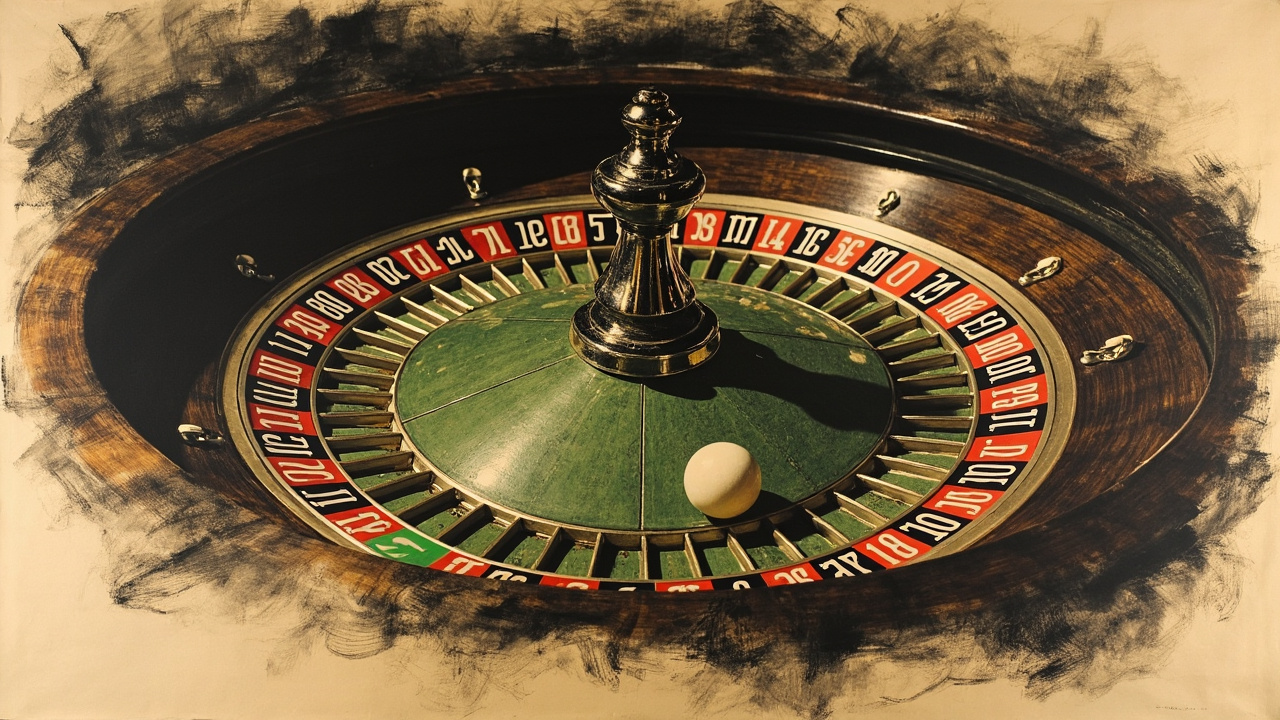
Weigh what you are trying to learn, pick a room whose interface matches the real-money version you might use later, and treat the chips as rehearsal currency rather than a prize. If the lobby is clear, the tables run without lag, and the hand history keeps pace with your decisions, you have found a room worth sitting in. If it feels like a carnival mirror, there are plenty of other tables online.
- Play-money chips: virtual currency with no cash value, used only inside free-play tables.
- Sit-and-go: a tournament that starts once a set number of players have registered, rather than at a fixed scheduled time.
- Hand history: a log of the hands you have played, including actions, board cards, and results, useful for review.